Unlock Your Garden's Potential: How To Propagate Hydrangeas From Cuttings
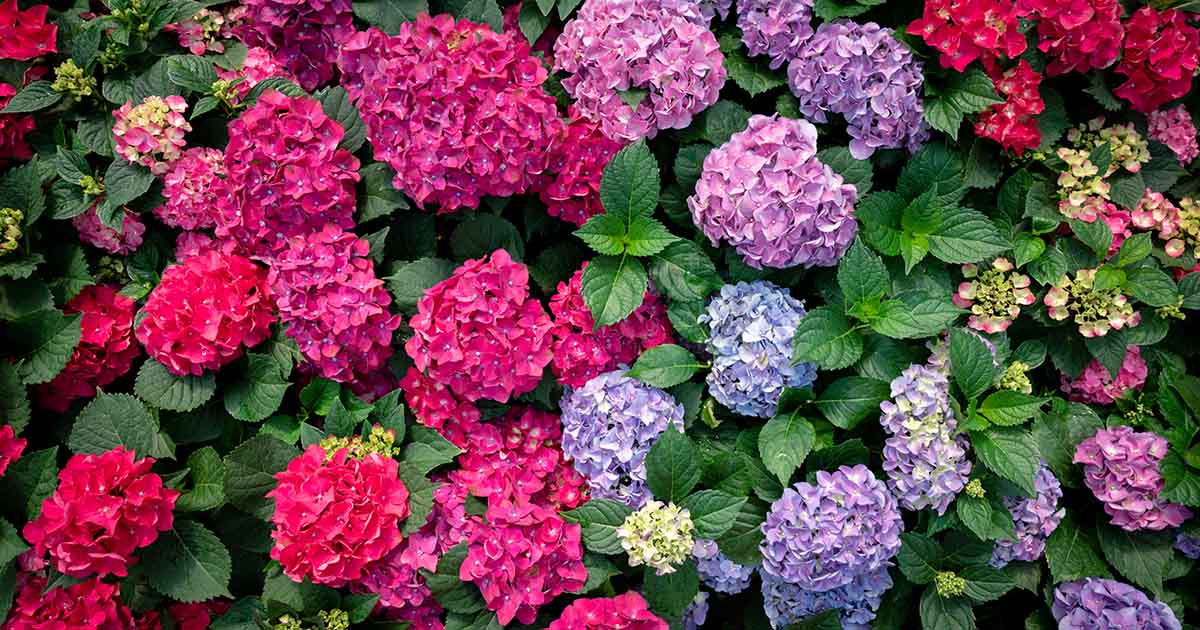
Hydrangeas are undoubtedly one of the most beloved flowering shrubs, gracing gardens with their spectacular, often massive, clusters of blooms in a breathtaking array of colors. From classic blues and pinks to elegant whites and vibrant purples, their presence can transform any landscape into a captivating spectacle. It's no wonder many gardeners dream of an expansive display of these beauties. However, achieving that stunning, long row of hydrangeas can quickly become an expensive endeavor if you're buying new plants for every spot.
But what if there was a way to multiply your favorite varieties without breaking the bank? What if you could replicate that prized hydrangea bush you adore, or even grow plants from a friend's established collection? The answer lies in mastering the incredibly rewarding DIY skill of how to propagate hydrangeas from cuttings. This technique allows you to create exact replicas of your best hydrangea varieties, ensuring they grow true to type – something often not guaranteed when growing from seeds.
Propagation from cuttings is a highly effective, inexpensive, and satisfying method with a surprisingly high success rate for a woody plant. All it takes is a healthy parent plant, some basic tools, a bit of time, and patience to watch new life emerge. This comprehensive guide will walk you through every step, equipping you with the knowledge to expand your hydrangea collection and enhance your garden's allure.
Why Propagate Hydrangeas from Cuttings? The Smart Gardener's Choice
Beyond the sheer joy of growing something new, there are several compelling reasons why propagating hydrangeas from cuttings is a skill every gardener should embrace:
- Cost-Effective Expansion: This is arguably the biggest draw. Instead of purchasing numerous expensive plants from a nursery, you can generate many new plants from just one existing bush. This is especially beneficial if you're aiming for a large-scale planting, such as a hedge or a border.
- True-to-Type Replicas: Unlike seeds, which can produce offspring with genetic variations, cuttings are clones of the parent plant. This means your new hydrangeas will possess the exact same characteristics – bloom color, size, and growth habit – as the original, ensuring your favorite varieties are preserved and multiplied.
- Rewarding DIY Skill: There's immense satisfaction in nurturing a tiny stem into a thriving plant. It's a fundamental horticultural skill that can be applied to many other plants, deepening your understanding and connection to your garden.
- Quick Multiplication: While it requires patience, propagation from cuttings is a much faster way to produce mature flowering plants than growing from seed, which can take years.
- High Success Rate: Hydrangeas are known for being relatively easy to propagate from cuttings, making them an excellent choice for beginners to plant propagation.
The Golden Window: When is the Best Time to Propagate Hydrangeas?
Timing is absolutely critical for successful hydrangea propagation. Choosing the right season significantly boosts your chances of developing strong, healthy roots. The key is to catch the plant during its active growth phase when the stems are neither too soft nor too woody.
The ideal period for propagating hydrangeas is generally late spring to early summer. Specifically, aim for late June to early July. During this time, the new growth is still tender and flexible, but it has had enough time to firm up slightly, making it perfect for rooting. These semi-hardwood cuttings are at their prime, possessing enough vigor to root quickly without the fragility of very new, herbaceous growth.
It's crucial to avoid propagating hydrangeas in extreme temperatures. Hot, dry weather can stress the cuttings, causing them to wilt and struggle to absorb enough moisture before roots form. Conversely, cold weather will significantly hinder root development, leading to failure. Furthermore, never attempt to propagate hydrangeas when they are actively blooming. A flowering cutting will direct all its energy and resources towards sustaining its blossoms rather than investing in root formation, drastically reducing your success rate. For more in-depth advice on timing, check out our guide on Master Hydrangea Propagation: Best Time & Tips for Cuttings.
Gather Your Arsenal: Essential Tools and Materials
Before you begin, ensure you have all the necessary supplies ready. Having everything at hand will make the process smooth and efficient:
- Sharp Pruning Shears or Knife: Clean and sharp tools are vital for making clean cuts that minimize damage to the parent plant and the cutting. Sterilize them with rubbing alcohol before and after use to prevent disease transmission.
- Rooting Hormone: Available in powder, gel, or liquid form, rooting hormone significantly increases the chances of successful root development. While not strictly mandatory, it's highly recommended for a higher success rate.
- Seed-Starting Potting Mix: Choose a sterile, well-draining, and light potting mix. This provides the ideal environment for delicate new roots to form without becoming waterlogged or succumbing to disease.
- Small Pots or Trays: Use pots with drainage holes, typically 3-4 inches in diameter for individual cuttings, or propagation trays for multiple cuttings.
- Watering Can or Spray Bottle: For keeping the potting mix consistently moist.
- Clear Plastic Dome, Bag, or Mini-Greenhouse: Essential for creating a humid environment around the cuttings, which prevents moisture loss before roots can absorb water.
- Pencil or Dibber: To create holes in the potting mix for inserting cuttings, preventing the rooting hormone from being scraped off.
Step-by-Step Guide: How To Propagate Hydrangeas From Cuttings
Now that you're prepared, let's dive into the practical steps of how to propagate hydrangeas from cuttings and watch your garden flourish.
1. Selecting and Trimming the Cutting
This initial step is paramount for success. The quality of your cutting directly impacts its ability to root. Look for healthy, vibrant stems that:
- Have Not Bloomed Yet: As mentioned, blooming stems divert energy away from root production.
- Are New, Green Growth: Avoid old, woody stems (which are harder to root) and extremely soft, floppy new growth (which can rot easily). The ideal stem should be flexible enough to bend slightly without snapping.
- Are 4-6 Inches Long: Use your clean, sharp pruning shears to cut just below a node. A node is the slightly swollen area on the stem where a leaf or branch emerges. This spot is rich in natural plant hormones that stimulate root growth.
- Include at Least Two Leaf Nodes: Ensure your 4-6 inch cutting has at least two leaf nodes, as these are critical areas for root and new shoot development.
2. Stripping Lower Leaves
Once you have your cutting, carefully remove all the leaves from the lower 2-3 inches of the stem. This serves a dual purpose:
- Reduces Moisture Loss: Leaves transpire, meaning they release moisture. By removing the lower leaves, you reduce the cutting's demand for water while it's unable to absorb moisture through roots.
- Prevents Rot: Any foliage buried beneath the soil surface will quickly rot, creating a breeding ground for fungi and diseases that can kill your cutting.
If the remaining leaves at the top are very large, you can trim them in half horizontally. This further reduces transpiration without completely removing the plant's ability to photosynthesize.
3. Applying Rooting Hormone
While some hydrangea cuttings might root without it, applying rooting hormone significantly improves your success rate and encourages stronger, faster root development:
- Dip the Cut End: Lightly moisten the bottom inch of the cutting (if using powder) then dip it directly into the rooting hormone. If using a gel, simply dip.
- Tap Off Excess: Gently tap the cutting to remove any excess hormone powder or gel. Too much can sometimes inhibit growth.
- Safety First: Always follow the manufacturer's instructions and consider wearing gloves when handling rooting hormones.
4. Planting the Cuttings
With your cuttings prepared, it's time to plant them:
- Moisten Potting Mix: First, thoroughly moisten your seed-starting potting mix. It should be damp like a wrung-out sponge, not soggy.
- Create Holes: Use a pencil or a dibber to create narrow holes in the potting mix. This prevents the rooting hormone from being scraped off the cutting as you insert it.
- Insert Cuttings: Carefully insert each cutting into a pre-made hole, ensuring at least one leaf node is below the soil surface (ideally two). Plant them about 1-2 inches deep.
- Gently Firm Soil: Lightly firm the soil around the base of each cutting to ensure good contact between the stem and the potting mix.
- Space Appropriately: If planting multiple cuttings in a tray, ensure they are spaced adequately to allow for air circulation and prevent fungal issues.
5. Providing the Right Environment
The first few weeks are critical, and maintaining the right environment is key to successful rooting:
- Humidity is King: Immediately cover your pots or trays with a clear plastic dome, plastic bag, or place them in a mini-greenhouse. This creates a high-humidity environment that prevents the cuttings from drying out before they develop roots.
- Bright, Indirect Light: Place the covered cuttings in a location that receives bright, indirect sunlight. Direct sun can quickly overheat the environment under the dome and scorch the tender cuttings.
- Consistent Temperature: Maintain a consistent warm temperature, ideally between 65-75°F (18-24°C). Avoid drafts or extreme temperature fluctuations.
- Maintain Moisture: Keep the potting mix consistently moist, but never waterlogged. Mist the inside of the dome or bag daily, and check the soil moisture every few days.
- Ventilate Daily: Briefly remove the cover for 15-30 minutes each day to allow for air circulation. This prevents the buildup of excess moisture, which can lead to mold and fungal diseases.
6. Monitoring and Care
Patience is a virtue in propagation. Rooting can take anywhere from 2 to 4 weeks, sometimes longer, depending on the hydrangea variety and environmental conditions:
- Signs of Rooting: The most encouraging sign is new leaf growth at the top of the cutting. You can also gently tug on a cutting; if it offers resistance, it has likely started to root.
- Continue Misting: Maintain humidity and moisture until robust root development is evident.
- Gradual Acclimation: Once you see strong new growth, gradually begin to acclimate the cuttings to lower humidity. Start by removing the cover for a few hours a day, slowly increasing the duration over a week or two.
7. Transplanting Rooted Cuttings
Once your cuttings have developed a strong root system and are showing vigorous new foliage, they are ready for their next home:
- Prepare for Transplant: Gently remove a rooted cutting from its current pot to assess its root ball. If the roots are clearly visible and forming a network, it's ready.
- Move to Larger Pots: Transplant each rooted cutting into an individual, slightly larger pot (e.g., 6-inch diameter) filled with a good quality, general-purpose potting mix.
- Continued Care: Continue to grow your young hydrangea plants in a protected environment (like a sheltered porch or greenhouse) until they are robust enough to withstand outdoor conditions.
- Harden Off: Before planting them directly into your garden, gradually "harden off" the young plants by exposing them to outdoor conditions for increasing periods over a week or two. This helps them adjust to sun, wind, and fluctuating temperatures.
With these newly propagated plants, you're well on your way to a fuller, more vibrant hydrangea display for less. For more budget-friendly tips and detailed guidance on growing, refer to our comprehensive guide Grow More Hydrangeas for Less: Easy Cutting Propagation Guide.
Conclusion
Propagating hydrangeas from cuttings is a truly rewarding endeavor that not only saves you money but also deepens your connection to the plants in your garden. By carefully selecting your cuttings, providing the right environment, and exercising a little patience, you can successfully multiply your favorite hydrangea varieties and create the garden of your dreams. This accessible DIY skill allows you to expand your collection, share with friends, and enjoy the beauty of these magnificent flowers in abundance. So, grab your shears, prepare your potting mix, and get ready to enjoy the satisfaction of growing brand-new hydrangeas from just a simple cutting!